
🌱 Raised Garden Bed: Complete Beginner’s Guide (Benefits, Types, Setup & Tips)
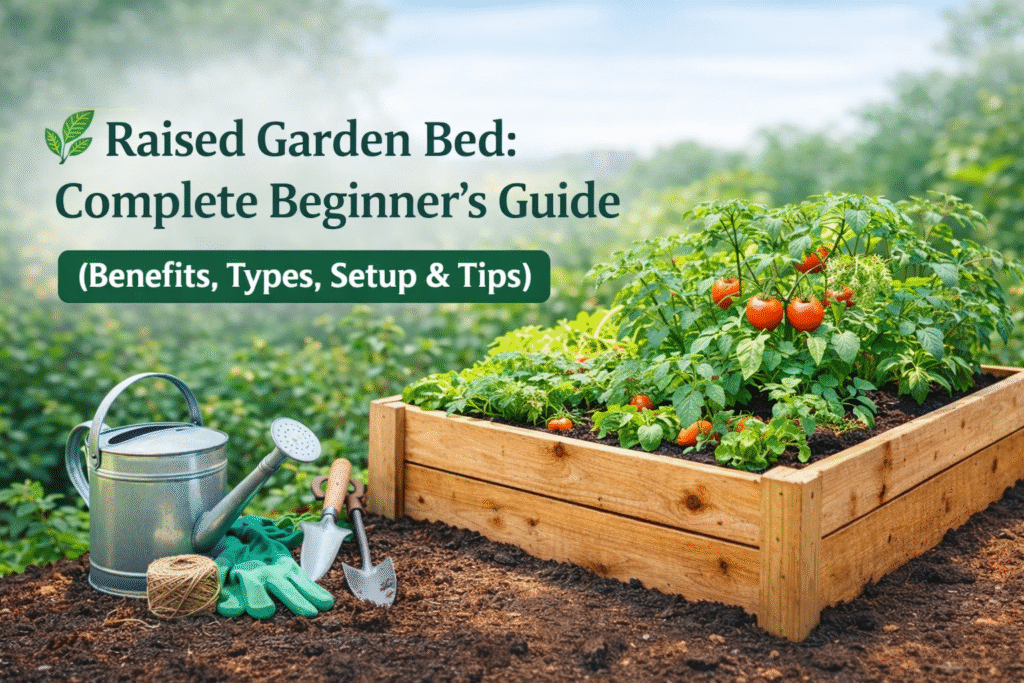
A raised garden bed is one of the easiest and most effective ways to grow vegetables, flowers, and herbs—especially if you have poor soil, limited space, or are new to gardening. In this guide, you’ll learn what a raised garden bed is, why it’s beneficial, how to build one, and what to grow in it.
🌿 What Is a Raised Garden Bed?
A raised garden bed is a gardening structure where soil is elevated above ground level and contained within a frame made of wood, metal, bricks, or stone. These beds are usually 6–24 inches high and can be placed on soil, grass, or even concrete.
Raised beds are widely used for:
- Home gardens
- Kitchen gardens
- Terrace & backyard gardening
- Organic vegetable farming
✅ Benefits of Raised Garden Beds
1. Better Soil Control
You choose the soil mix, making it ideal for organic gardening and high-yield vegetables.
2. Improved Drainage
Excess water drains easily, preventing root rot—perfect for monsoon-prone regions.
3. Fewer Weeds & Pests
Raised height reduces weed invasion and ground pests.
4. Higher Crop Yield
Loose, nutrient-rich soil allows roots to grow freely.
5. Easy Maintenance
Less bending means back-friendly gardening, ideal for seniors and beginners.
🪵 Types of Raised Garden Beds
1. Wooden Raised Garden Beds
- Most popular & affordable
- Use cedar, teak, or treated pine
- Best for vegetables
2. Metal Raised Garden Beds
- Long-lasting & modern
- Heat-resistant when coated
- Good for hot climates
3. Brick or Stone Beds
- Permanent & sturdy
- Ideal for landscaping gardens
4. Plastic or Composite Beds
- Lightweight & rot-resistant
- Best for terrace gardening
📏 Ideal Size for a Raised Garden Bed
Recommended dimensions:
- Width: 3–4 feet (easy reach)
- Length: 6–12 feet
- Height:
- 6–8 inches → herbs & leafy greens
- 12–18 inches → vegetables
- 24 inches → root vegetables
🛠️ How to Build a Raised Garden Bed (Step-by-Step)
Step 1: Choose the Location
- 6–8 hours of sunlight daily
- Flat surface with good airflow
Step 2: Build the Frame
- Use wooden planks or metal panels
- Secure corners tightly
Step 3: Prepare the Base
- Remove grass
- Add cardboard or landscape fabric (prevents weeds)
Step 4: Fill with Soil (Best Soil Mix)
Perfect raised bed soil ratio:
- 40% garden soil
- 40% compost
- 20% sand or coco peat
Step 5: Water & Let It Settle
Wait 24 hours before planting.
🥕 Best Plants for Raised Garden Beds
Vegetables
- Tomato
- Spinach
- Lettuce
- Carrot
- Radish
- Capsicum
- Beans
Herbs
- Coriander
- Basil
- Mint
- Rosemary
Flowers
- Marigold
- Petunia
- Zinnia
🌼 Raised Garden Bed Layout Ideas
- Square Foot Gardening – maximize space
- Companion Planting – natural pest control
- Seasonal Rotation – better soil health
🌱 Maintenance Tips for Raised Beds
- Water deeply 2–3 times a week
- Add compost every 30–40 days
- Mulch to retain moisture
- Rotate crops every season
❌ Common Mistakes to Avoid
- Using untreated wood
- Overcrowding plants
- Poor drainage setup
- Ignoring soil nutrients
❓ FAQs – Raised Garden Beds
Q1. Are raised garden beds better than pots?
Yes. They provide more root space, better drainage, and higher yield.
Q2. How long does a raised garden bed last?
- Wood: 5–10 years
- Metal: 15–20 years
Q3. Can I use a raised bed on a terrace?
Yes, just ensure waterproofing and proper drainage.
Q4. Is raised bed gardening good for beginners?
Absolutely. It’s one of the best gardening methods for beginners.
Website : gardenbazzar.com
Ph No: +91 9205545173